
For more of The Cut’s favorite fashion, beauty, and home finds, sign up for the weekly Cut Shop newsletter.
I developed rosacea in my teenage years, right alongside acne — not the best news for someone in the throes of puberty. Since then, I’ve managed to get rid of the acne, but the rosacea has been a constant.
The condition is associated with facial redness, but usually it’s more than just a “Wow, it’s hot outside!” type of redness. (Although hot temperatures can be a trigger, but we’ll get into that later.) It most commonly affects the center of your face such as your nose and cheeks, and Dr. Iris Rubin, a dermatologist and the founder of SEEN Skin & Hair Care, says as many as 16 million Americans are affected by rosacea in one form or another.
Although mine usually shows up as a slight flush on my nose, inner cheeks, and the bottom of my forehead, I dealt with a breakout so bad two years ago that I was covered in itchy, acnelike bumps that persisted for weeks. After that, I’ve been laser focused on finding products that soothe my sensitive skin and am proud to say that I’ve nailed down quite a few.
Below, we’ve rounded up the 17 best products for rosacea — from cleansers and moisturizers to masks, serums, and sunscreens, including some of my K-beauty essentials.
Updated on February 16, 2026: Updated prices and checked stock for all products.
So, you want to find the best products for rosacea?
.
The best cleansers for rosacea
New! You can now save this product for later.
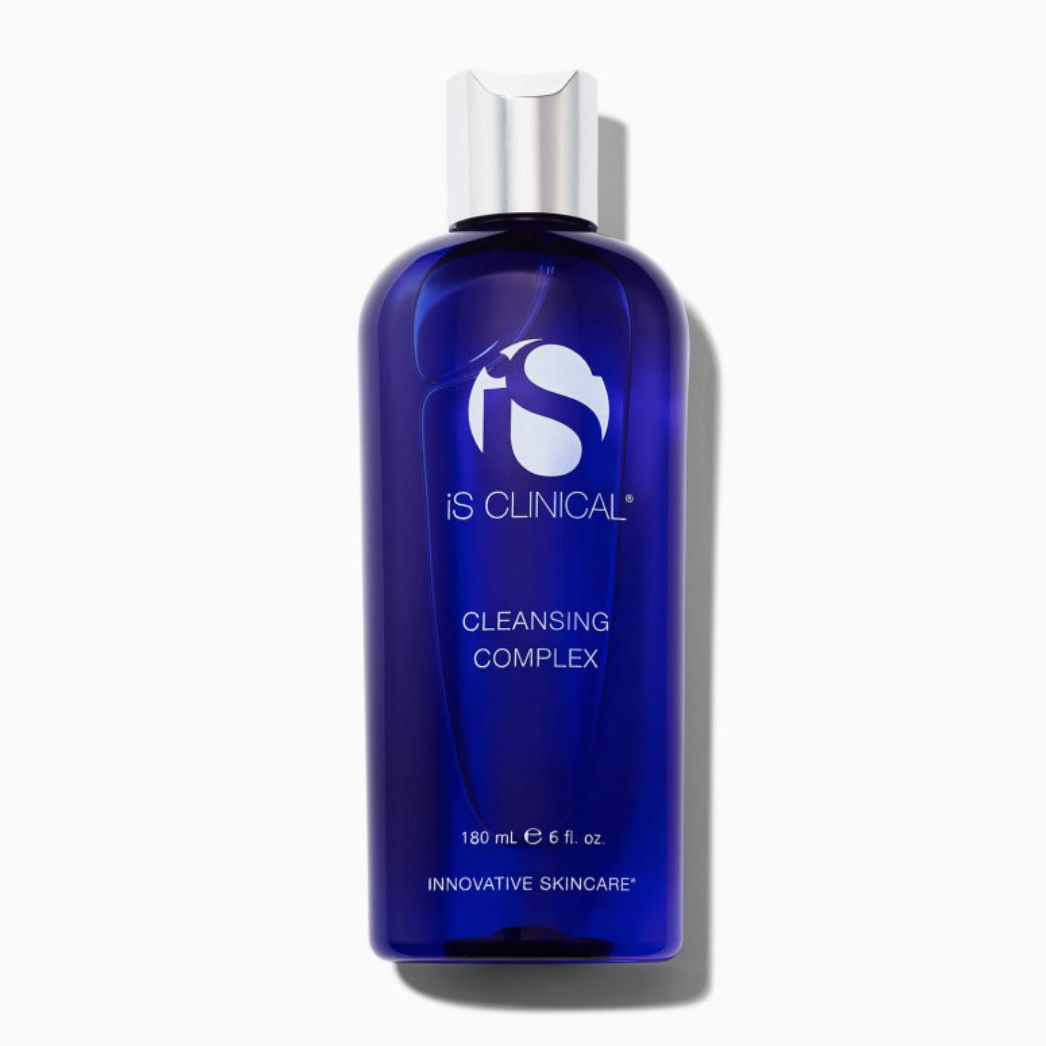
Key Ingredients: Antioxidants, herbal extracts, salicylic acid, vitamin A, vitamin C, vitamin E | Skin Type: Acne-prone, mature, dry, and sensitive | Sizes: 2 or 6 ounces
A three-in-one product might sound too good to be true, but the ratings and reviews don’t lie. This formula also has that aforementioned magic ingredient centella asiatica to combat a flushed face, and it acts as a cleanser, toner, and mask in one sleek blue bottle. You’ll be left with zero traces of makeup and less visible pores; plus, the naturally derived AHA and BHA exfoliants are nice to your skin while giving it a smoother texture. On Amazon, the cleanser has a 4.7-star rating out of 5 if you need more convincing.
New! You can now save this product for later.
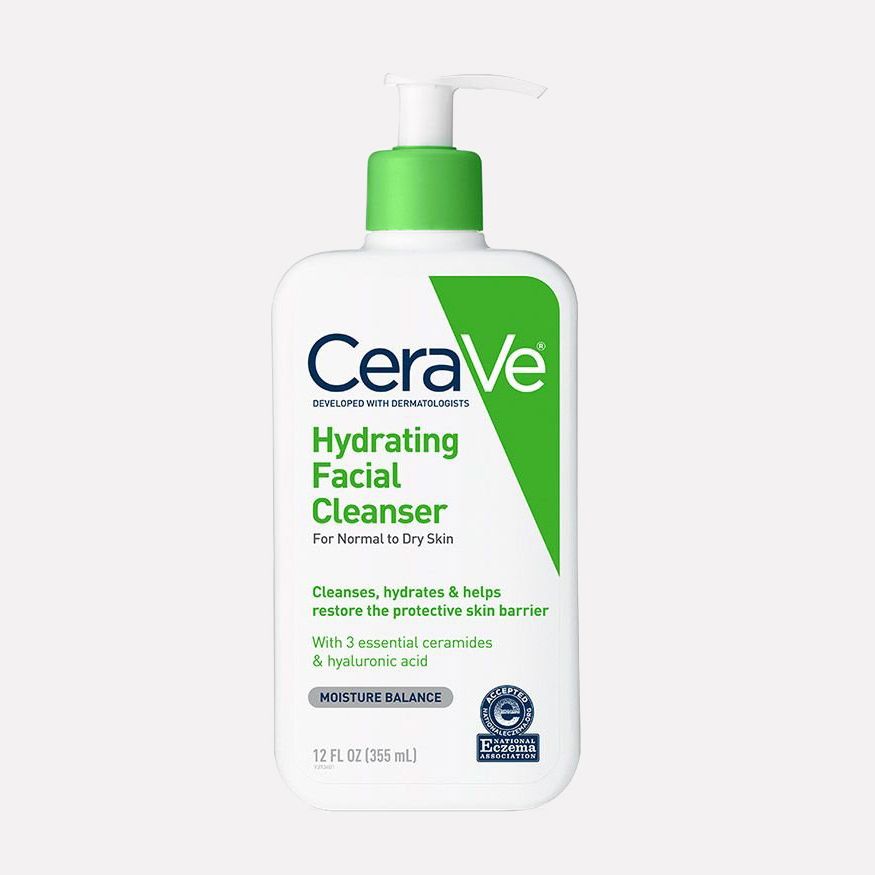
Key Ingredients: Ceramides, hyaluronic acid | Skin Type: Normal to dry | Size: 8, 16, or 19 ounces
This cleanser is the holy grail of moisture. Even for those who don’t have rosacea, it’s one you should use. If your rosacea symptoms are easily triggered by anything and everything, this cleanser is super-gentle yet effective and provides all-day hydration with hyaluronic acid, ceramides, and glycerin. On top of all the pros, it’ll last you for ages.

New! You can now save this product for later.
Key Ingredients: Sorbitol, glycerin, orchid extract, cucumber extract, amino acids | Skin Type: All | Size: 5 ounces
If you like a foaming cleanser but want to make sure it doesn’t strip your skin barrier, I recommend this one. It has soothing ingredients like cucumber extract while also producing a satisfying lather. The price tag is a little scary, but you really don’t have to use a lot, so it lasts a surprisingly long time.
.
The best moisturizers for rosacea


New! You can now save this product for later.
Key Ingredients: Tazman pepperberry, Tahitian gold microalgae, marine prebiotic complex | Skin Type: Normal to dry | Size: 1.7 ounces
You know that terrible breakout I referenced earlier? A prescription for Opzelura gel actually helped it go down, but this cream helped me wean my skin off the prescription. It was the only moisturizer that would zap those angry bumps and make them disappear overnight, and I credit it with healing my skin barrier after. There isn’t a nonprescription skin-care product that calms my skin quite like this one. And considering the sky-high price, I wouldn’t say that unless I really meant it.


New! You can now save this product for later.
Key Ingredients: Colloidal oatmeal, azman fruit, bisabolol, allantoin, panthenol, glycerin | Skin Type: Normal to dry | Size: 1.75 ounces
Packed with colloidal oatmeal, Dieux’s newest cream has been a lifesaver for me during the coldest New York City in years. Central heating does a number on my skin, which feels tight and like it’s about to crack in the middle of the day without the right moisturizer. Skin Mercy rescued me, and my skin drank it up without complaint. You can read our team’s full review here.

New! You can now save this product for later.
Key Ingredients: Centella asiatica, collagen | Skin Type: Combination, normal, dry | Size: 1.69 ounces
This is one of my favorite K-beauty products ever. The star ingredient is TECA, an extract of centella asiatica that helps heal wounds, soothe inflammation, and encourage collagen production. My skin loves it! The texture works beautifully over other products and under makeup, and the formula offers deep hydration.
.
The best masks for rosacea

New! You can now save this product for later.
Key Ingredients: Soothing botanicals, dipeptides, hyaluronic acid | Skin Type: All | Size: 2 ounces
For immediate relief, you’ll want to try this cooling mask from SkinCeuticals. The soothing formulation features actives like cucumber, thyme, and olive oil to comfort the skin and reduce stressor-induced redness. It can be used as both a quick 10- to 15-minute leave-on treatment or as an overnight mask — with any new product, start small to see how your skin responds and work your way up from there.
New! You can now save this product for later.
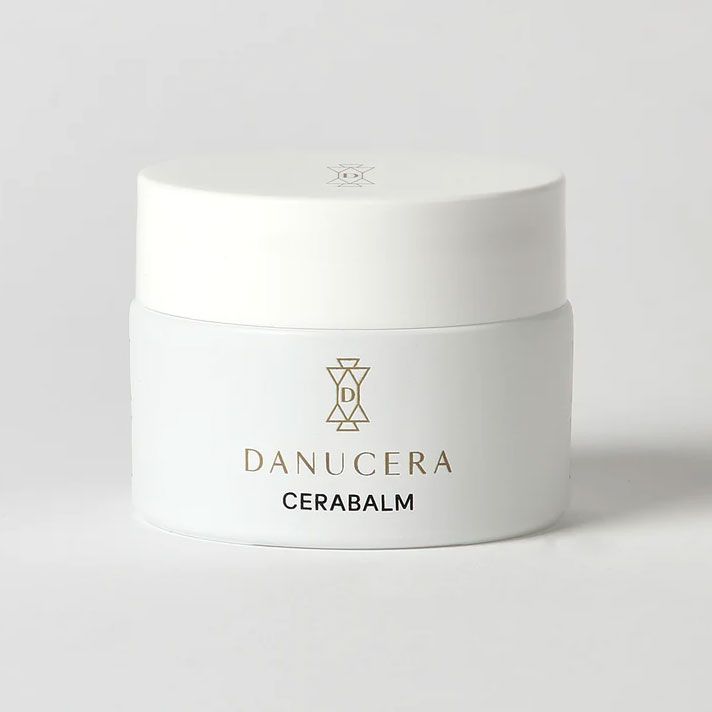
Key Ingredients: Multimineral compound, sea buckthorn oil, virgin hibiscus oil, meadowfoam seed oil, apricot kernel oil, spirulina extract | Skin Type: All | Size: 30 or 50 milliliters
This clean skin-care product, which nourishes and hydrates skin, isn’t your average balm. In fact, it works as a cleanser, a moisturizer, and a mask, all in one. And while Cerabalm can be used to brighten and illuminate skin, it is also “ideal for those with rosacea and redness,” according to Danucera and Rescue Spa founder Danuta Mieloch. And to help prevent flare ups, Mieloch recommends avoiding “extreme sun exposure, excessively hot and cold temperatures, and spicy food. Additionally, refrain from mixing products containing fragrance, silicons, and parabens to avoid skin irritation.”
.
The best creams and serums for rosacea


New! You can now save this product for later.
Key Ingredients: Mandelic acid, hyaluronic acid, panthenol | Skin Type: All | Size: 0.95 ounces
When you have sensitive skin, chemical exfoliants can get tricky. Sofie Pavitt formulated this one to be mild enough for daily use while also staving off acne and smoothing texture. The formula never burns my face or worsens redness — in fact, my skin somehow feels calmer after using it.


New! You can now save this product for later.
Key Ingredients: Retinol, panthenol, hyaluronic acid | Skin Type: All | Size: 1.01 ounces
I’ve always been a little afraid to use retinol because I don’t want to go through the purging process. However, my skin can tolerate this one just fine — probably thanks to the panthenol in the serum, which helps calm irritation. It’s also a super light dose of retinol, but that doesn’t mean it’s not effective. I’m hoping to use my tube up and graduate to the 0.3% version at some point.


New! You can now save this product for later.
Key Ingredients: Peptides, cannabinoid complex, water lily complex, niacinamide | Skin Type: All | Size: 1 ounces
If your skin barrier is in need of some serious help (and you can tolerate niacinamide), I suggest you try Deliverance. Its cannabinoids soothe, niacinamide brightens, and peptides plump — I definitely think regular use reduces the redness in my skin. Many reviewers also claim that using the serum helps them tolerate retinol better too.
New! You can now save this product for later.
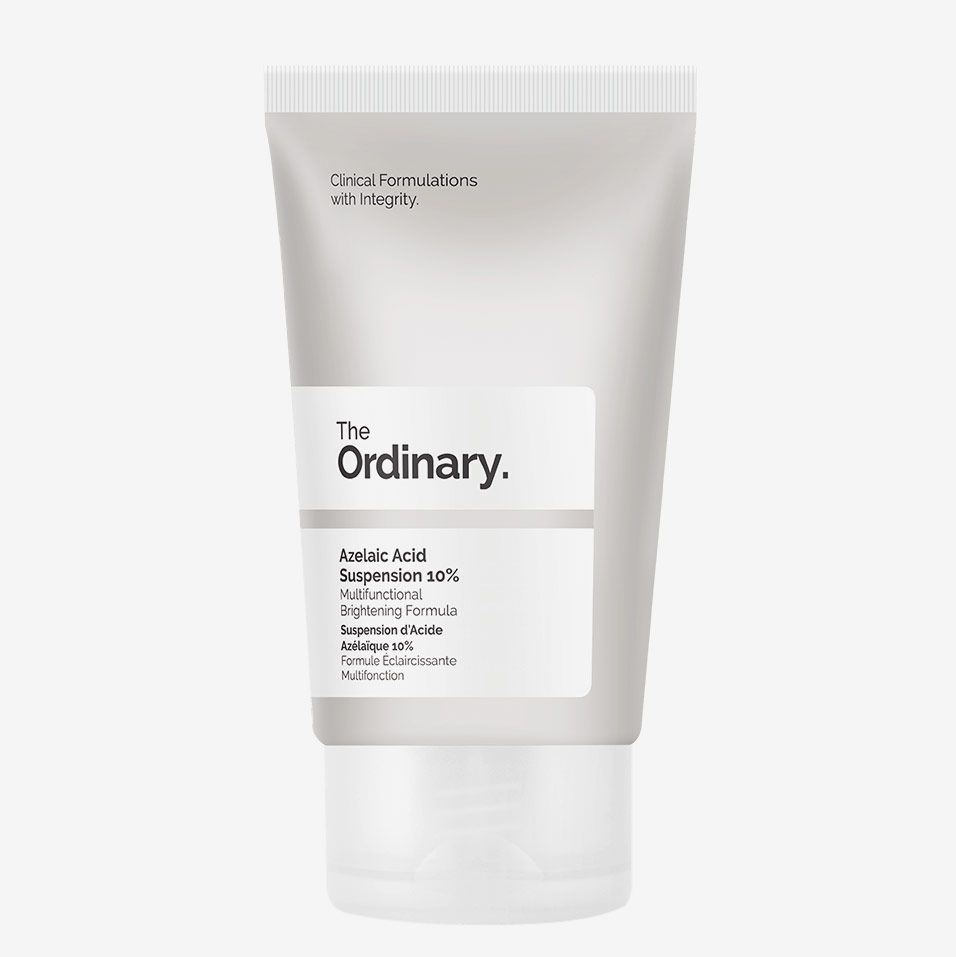
Key Ingredients: Azelaic acid | Skin Type: All | Size: 1 or 3.4 ounces
Idriss calls azelaic acid “the gold standard” for rosacea. In prescriptions, she reco
mmends it at 15 percent, but this $12 cream still has 10 percent — not bad for the price tag. She says the acid is an anti-inflammatory ingredient, and it also has mild antimicrobial properties to control the growth of certain bacteria on the skin. “The skin may be more susceptible to bacterial colonization with rosacea, and azelaic acid can help reduce the number of bacteria present, potentially decreasing the inflammatory response,” she says. The gel-like consistency has a lightweight, non-greasy finish that brightens and targets any bumps or unevenness in your skin.
.
The best sunscreens for rosacea

New! You can now save this product for later.
Key Ingredients: Zinc oxide, niacinamide, photolyase | Skin Type: All | Size: 1.69 ounces
Although I like chemical sunscreens, mineral ones are probably a better bet if you have sensitive skin. Dr. David Kim, a board-certified dermatologist based in New York City, created a tinted one that provides slight coverage and reduces the chance of experiencing a white cast.

New! You can now save this product for later.
Key Ingredients: Zinc oxide, centella asiatica, ceramides | Skin Type: All | Size: 1.7 ounces
On the color wheel, green is the opposite of red, which is why makeup artists often use green color correctors to cancel out rosiness in the skin. This zinc oxide-based option has that green tint built in, and it also has barrier-supporting ceramides and skin-soothing centella asiatica. Plus, it offers SPF 50, which is nothing to sneeze at.

New! You can now save this product for later.
Key Ingredients: Zonaria tournefortii extract, plum beauty oil, plum superfruit complex, non-nano zinc oxide | Skin Type: All | Size: 10 milliliters or 60 milliliters
Le Prunier is known for powerful, natural skin care, so it makes sense that the brand’s gentle yet effective sunscreen is formulated without parabens, sulfates, fragrances, essential oils, or chemical-sunscreen ingredients. It features the same rich antioxidants found in Le Prunier’s top-rated serums, plus it helps protect against all types of environmental stressors (including UV rays, blue light, and pollution).
.
FAQs
What is rosacea?
Rosacea is a common skin condition that includes facial redness, broken blood vessels on the nose and cheeks, and acnelike breakouts. How it appears from one person to the next can differ since there are four distinct types. Rubin breaks down them down and their symptoms, below:
Erythematotelangiectatic rosacea: facial redness, flushing, broken blood vessels
Papulopustular rosacea: acnelike blemishes
Phymatous rosacea: skin thickening and a bumpy texture that affects the nose
Ocular rosacea: red and irritated eyes with swollen eyelids
Dr. Tsippora Shainhouse, a board-certified dermatologist at SkinSafe Dermatology in Beverly Hills, says that phymatous rosacea — the thick skin that commonly develops on the nose — almost only affects men. Shainhouse and Rubin also say that rosacea in general is more common in those with lighter complexions, but it can develop for anyone regardless of skin color. People with darker skin can be underdiagnosed because the appearance of redness is masked by the skin’s natural pigment.
What causes rosacea?
If you want to pinpoint exactly what the initial cause is, you might be disappointed, as it’s not completely understood. Rubin says there could be a variety of factors at play. Potential causes could be that the skin condition runs in your family; there’s an overcompensating immune response; your body overproduces cathelicidin, which is an anti-microbial peptide that can cause redness and swelling; or your skin microbiome is unbalanced.
What triggers rosacea?
The redness appears more prominent when you have a flare-up, and these can be triggered by a number of things including stress, spicy food, diet, exercise, alcohol, climate, and other environmental and emotional factors.
Can rosacea be cured?
“Unfortunately, rosacea sticks with you through life and cannot be cured,” says Dr. Shereene Idriss, a board-certified dermatologist and the founder of Idriss Dermatology in New York City. She notes the most important thing you can do is to understand your skin and learn how to manage the symptoms and minimize any flare-ups: “I cannot stress enough the importance and power of a consistent, targeted skin-care routine with over-the-counter products.”
Are there holy grail ingredients?
Beyond over-the-counter products with soothing ingredients like centella asiatica, azelaic acid, niacinamide, colloidal oatmeal, and ceramides, prescriptions help if your symptoms are in need of a more powerful treatment. Idriss and Shainhouse says the below categories are common prescriptions for rosacea, but consult with your own dermatologist first to see what’s the best option for you:
Topical anti-inflammatory creams can help to reduce inflammation, redness, and the development of new pimples. You’ll want products with azelaic acid, sulfur, or topical calcineurin inhibitors like pimecrolimus cream.
Topical antibiotics can help treat and prevent new acne lesions. You’ll want products like metronidazole and minocycline.
Oral antibiotics can help block the pro-inflammatory enzymes in the skin. You’ll want low-dose tetracyclines like doxycycline.
Topical anti-redness ingredients can help temporarily shrink the superficial blood vessels to reduce redness. You’ll want products like brimonidine and oxymetazoline.
Are there any ingredients to avoid?
Certain skin-care and makeup ingredients can also cause a reaction. Rubin says to consider avoiding products with alcohol and fragrance, and Joanna Vargas, a celebrity facialist and the founder of Joanna Vargas Salons and Skin Care, says to forgo harsh retinol formulas and physical exfoliants too. You might be tempted to scrub the bumps away, but it will only irritate and create more redness on your skin.
.
Our Experts
- Dr. Iris Rubin, dermatologist and founder of SEEN Skin & Hair Care
- Dr. Shereene Idriss, board-certified dermatologist and founder of Idriss Dermatology in NYC
- Dr. Tsippora Shainhouse, board-certified dermatologist at SkinSafe Dermatology in Beverly Hills
- Danuta Mieloch, esthetician and founder of Danucera and Rescue Spa
- Joanna Vargas, celebrity facialist and founder of Joanna Vargas Salons and Skin Care
- Carol Lee, beauty writer for The Cut