


I went to the West Bank to make myself useful. I came to this decision last fall, when two years of advocacy, protesting, and boycotting — the tactics generally employed by the Palestine solidarity movement — had not ended the genocide. This collective failure took on, for me, the searing quality of a personal one. I needed to do “something,” as in anything that felt like more than nothing.
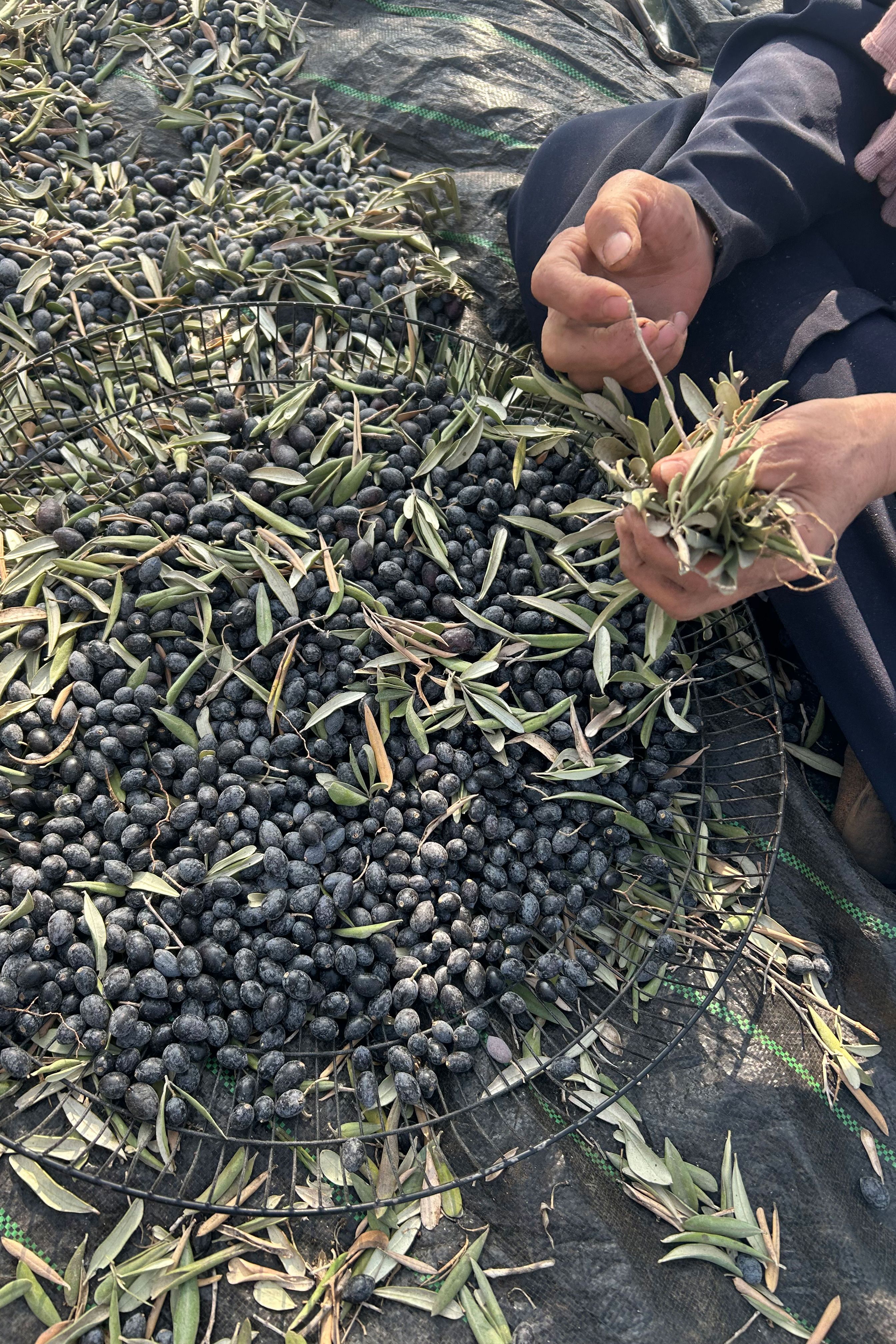
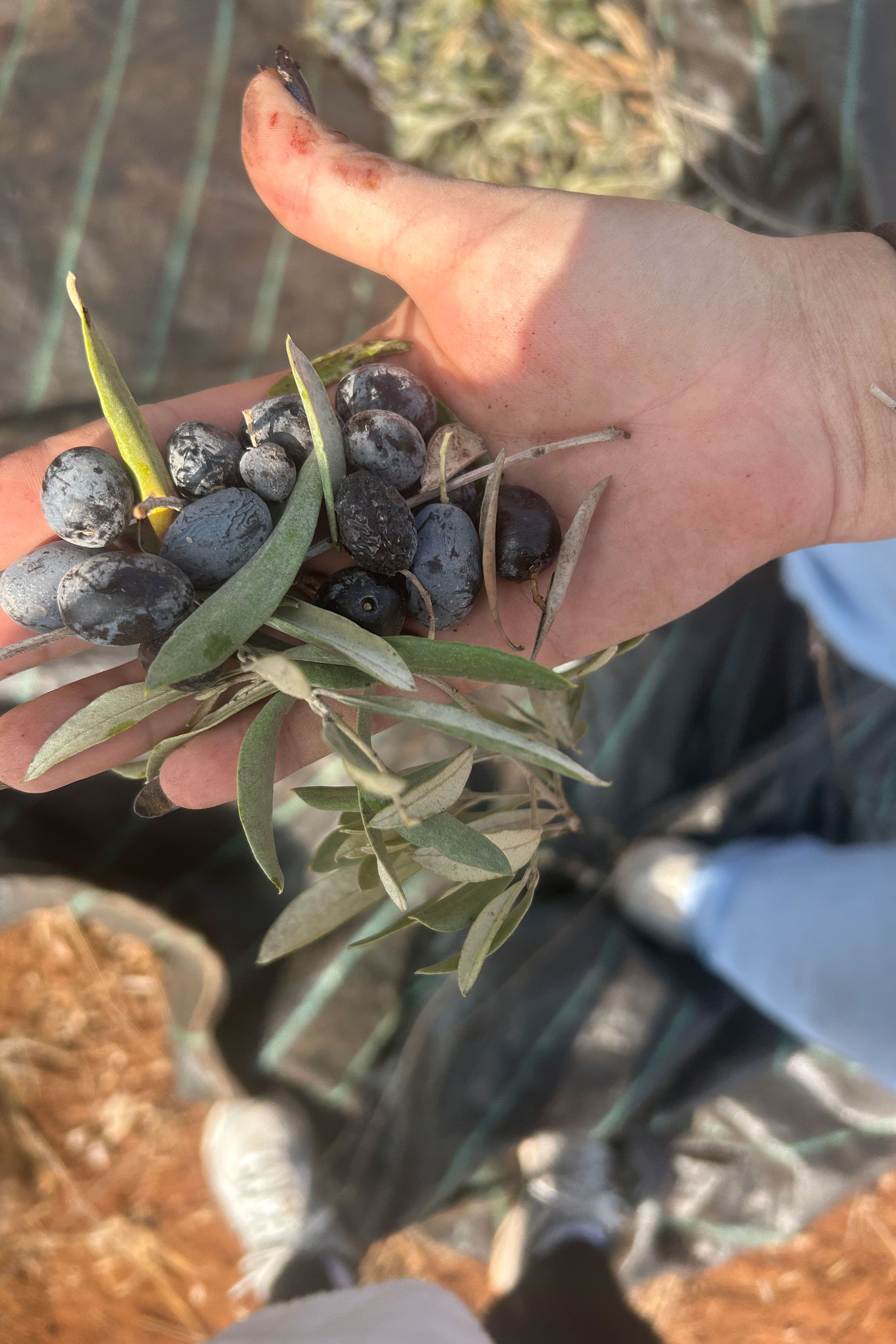
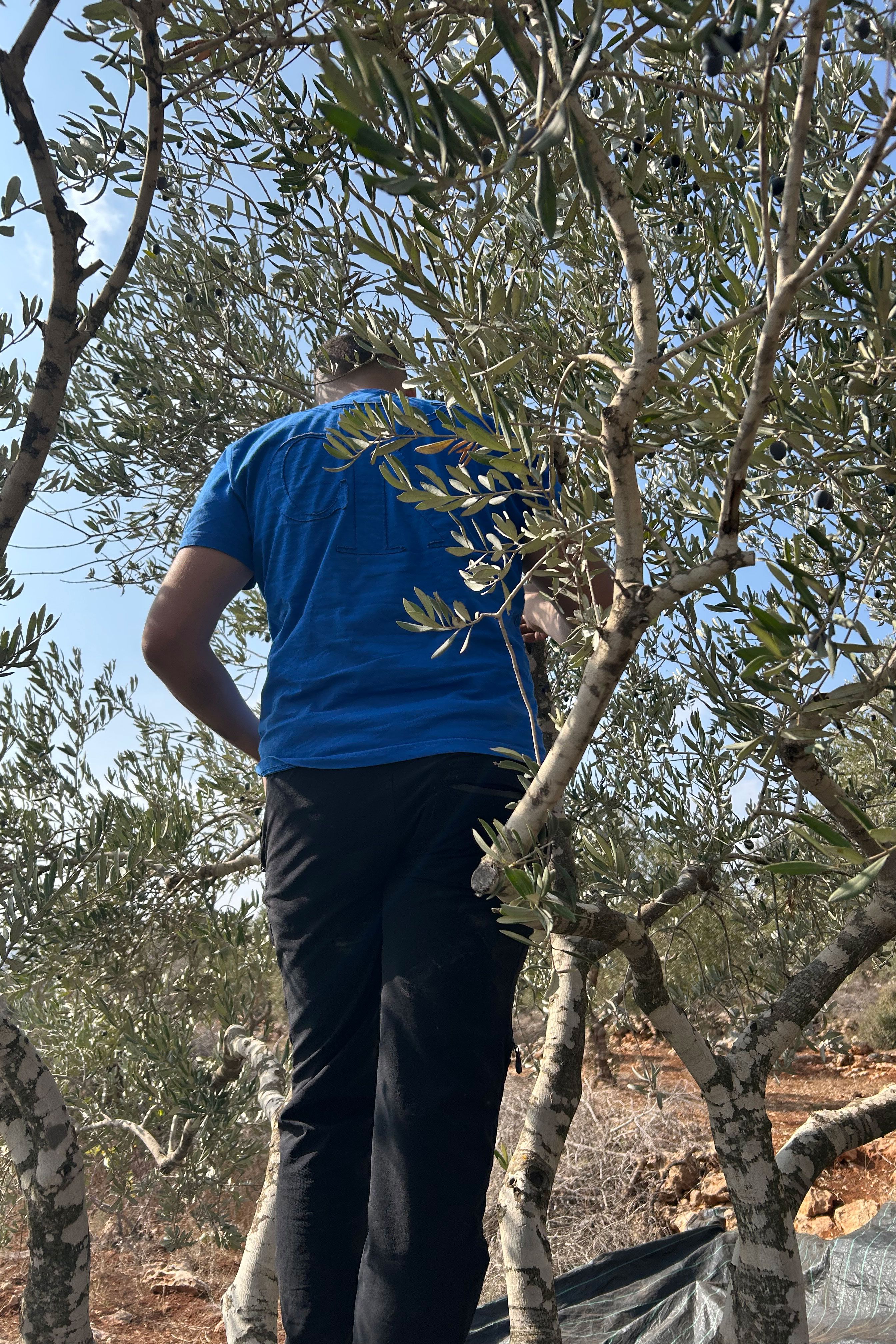
In one of the hundreds of community-organizing Signal threads I’ve been on since 2020, I found a link: The Union of Agricultural Work Committees, a West Bank nonprofit focused on Palestinian food sovereignty, had issued a call for volunteers for its annual olive-harvest campaign. Olives have been cultivated in the Levant for some 7,000 years. The crop is grown, harvested, and pressed into olive oil, which is then sold for income. In the UAWC’s program, volunteers’ roles are as much about documenting human-rights abuses as about assisting farmers with agricultural work. Just the presence of Westerners is intended to deter Israeli settler violence and land theft.

Palestinians in the West Bank face a double bind: Relinquish their homes to Israeli settlers, becoming either displaced within Palestine or international refugees; or remain on their land, perpetually vulnerable to surveillance, attack, and intimidation. Israeli disruption of the olive season is both a means of land dispossession and a form of regimented impoverishment. As The Guardian reported, roughly 110,000 Palestinians rely on income from olive farming, and an estimated 70 percent of their harvest was threatened in 2025. At the end of the season, the U.N. reported 178 settler attacks. Farmers and their families, including children, were killed by gunfire and tear gas. Centuries-old olive trees were razed. Thousands of acres were burned, bulldozed, or blocked off for Israeli “military use.” Since then, the violence hasn’t died down: In February, settlers reportedly destroyed seven Palestinian villages in a single week. At the same time, Israel continues to exert ever tighter control over the West Bank, making it more difficult for Palestinians to retain their land.
If that sounds complex and faraway, I can relate, to some extent. My understanding of American foreign policy took shape amid the wars in Afghanistan, then Iraq — countries with distinct customs, cultures, and people, which were flattened and portrayed as uniformly “not us” and “not here.” This mind-set continues in the war with Iran and undergirds the funding of Israeli arms used against Palestine. In all of this, I’m supposed to regard the U.S. as a well-intentioned global power: violent for reasons of keeping the peace. Going to Palestine was another way to undermine that fiction.
So I completed the volunteer form. I logged in to my virtual training punctually. The program coordinator warned of the dangers of traveling to the West Bank: arrest, detention, deportation, assault, shooting by armed settlers or the Israeli Defense Forces. The group of 32 volunteers preceding ours had been arrested, detained in a squalid Israeli prison, then deported and issued a 99-year ban from the territories. In 2024, several foreign volunteers with a different organization aiding the olive harvest were beaten by settlers and had to be hospitalized. Rachel Corrie, the most famous international activist to have lost her life in Palestine, was crushed by a bulldozer demolishing homes in Rafah in 2003.
Near the end of my first UAWC training, the coordinator said to us, “Do not think of yourselves as saviors. The Palestinian people are going to save ourselves.” Her anger was radiant, righteous, and, to me, an invitation. I updated my passport, applied for an Israeli visa, and compiled enough copywriting work to fund a trip the following month, November: $1,454.56 for a flight to Jordan and back home, a night in a hotel in Amman, and a donation to offset food costs for the families of Palestinian farmers, or fellaheen, with whom I would be staying.

Where racial-justice movements in the U.S. foreground Black humanity through figurative images and portraits, Palestinian liberation illustrates its Indigenous claim on the fruits of the land. A bounty of produce: pomegranates, figs, watermelons, the Jaffa orange. The olive and the olive tree.
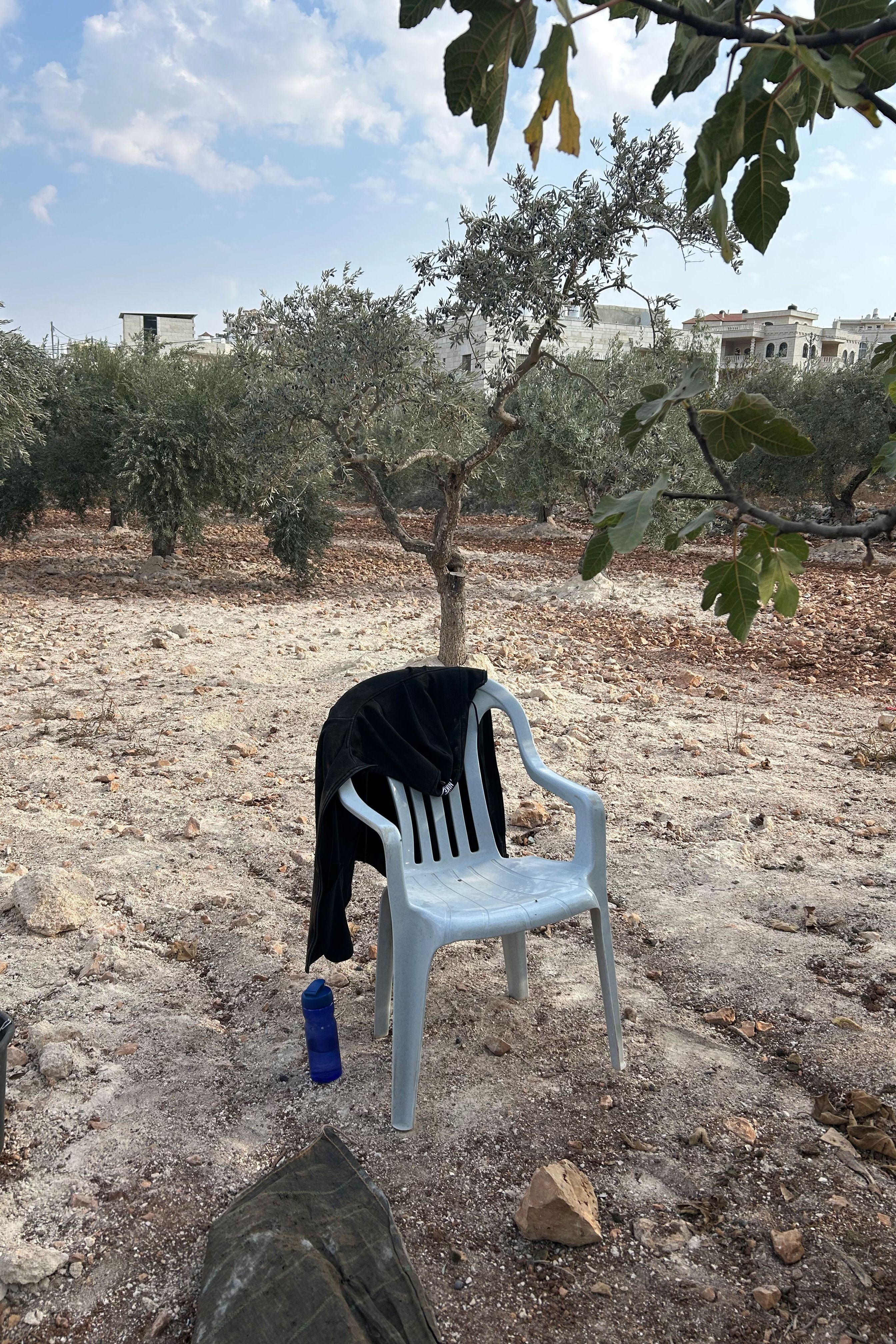
My experience of the olive harvest was one of queasy liminality. Not war, and yet not peace: the bracingly quotidian terror of life under threat from settlers and amid Israeli military occupation, which is now the longest such occupation in history.
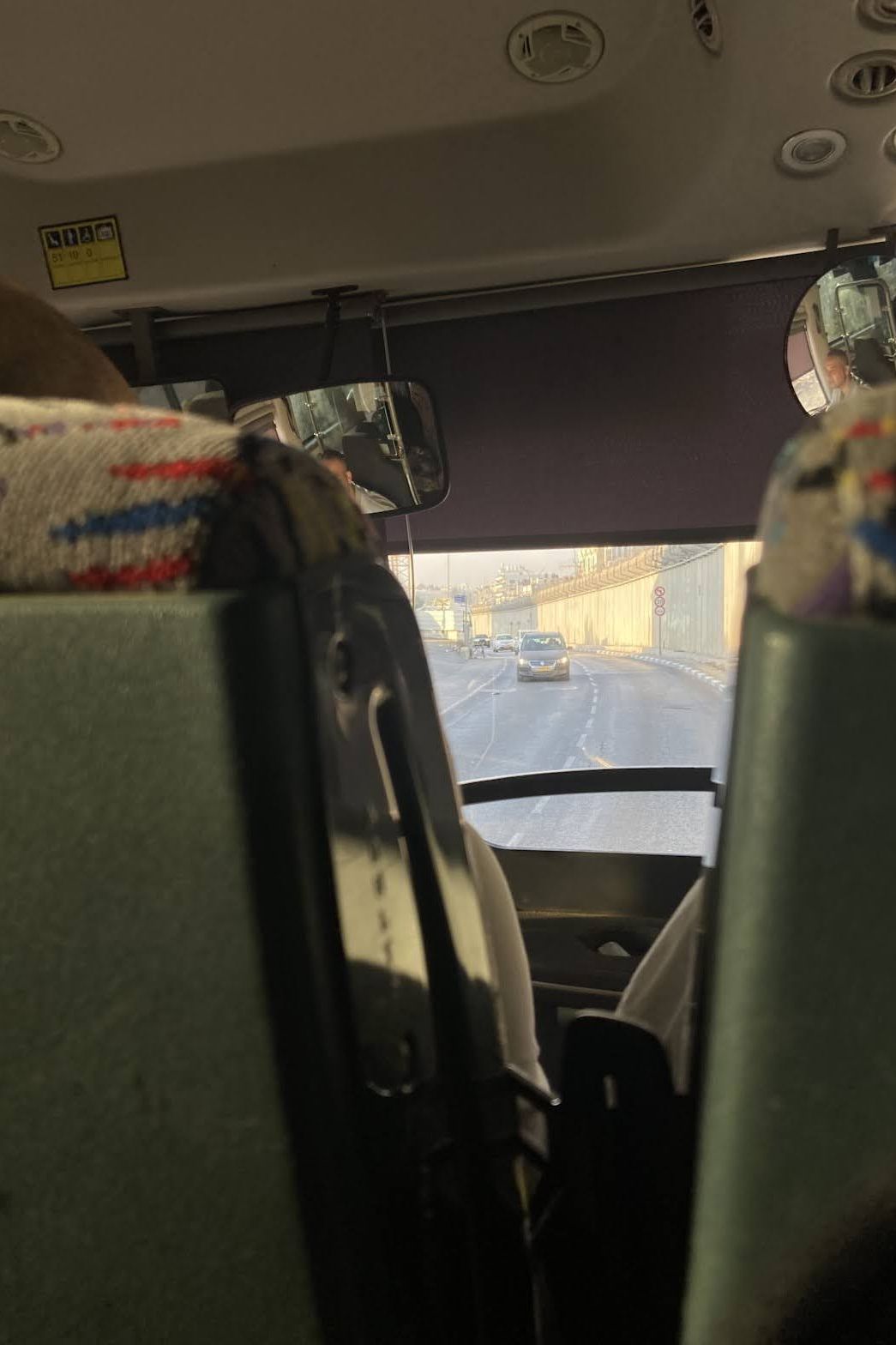
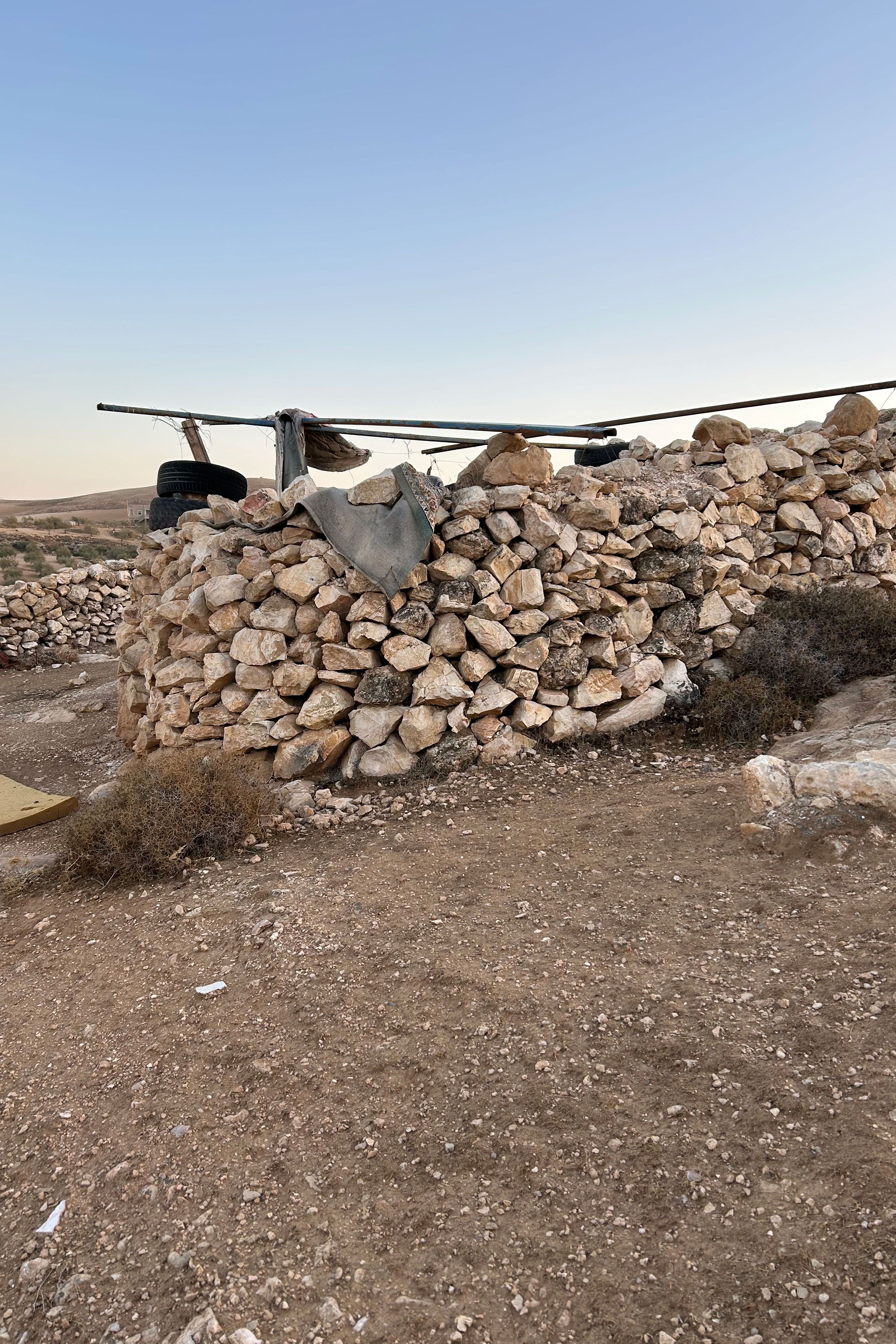
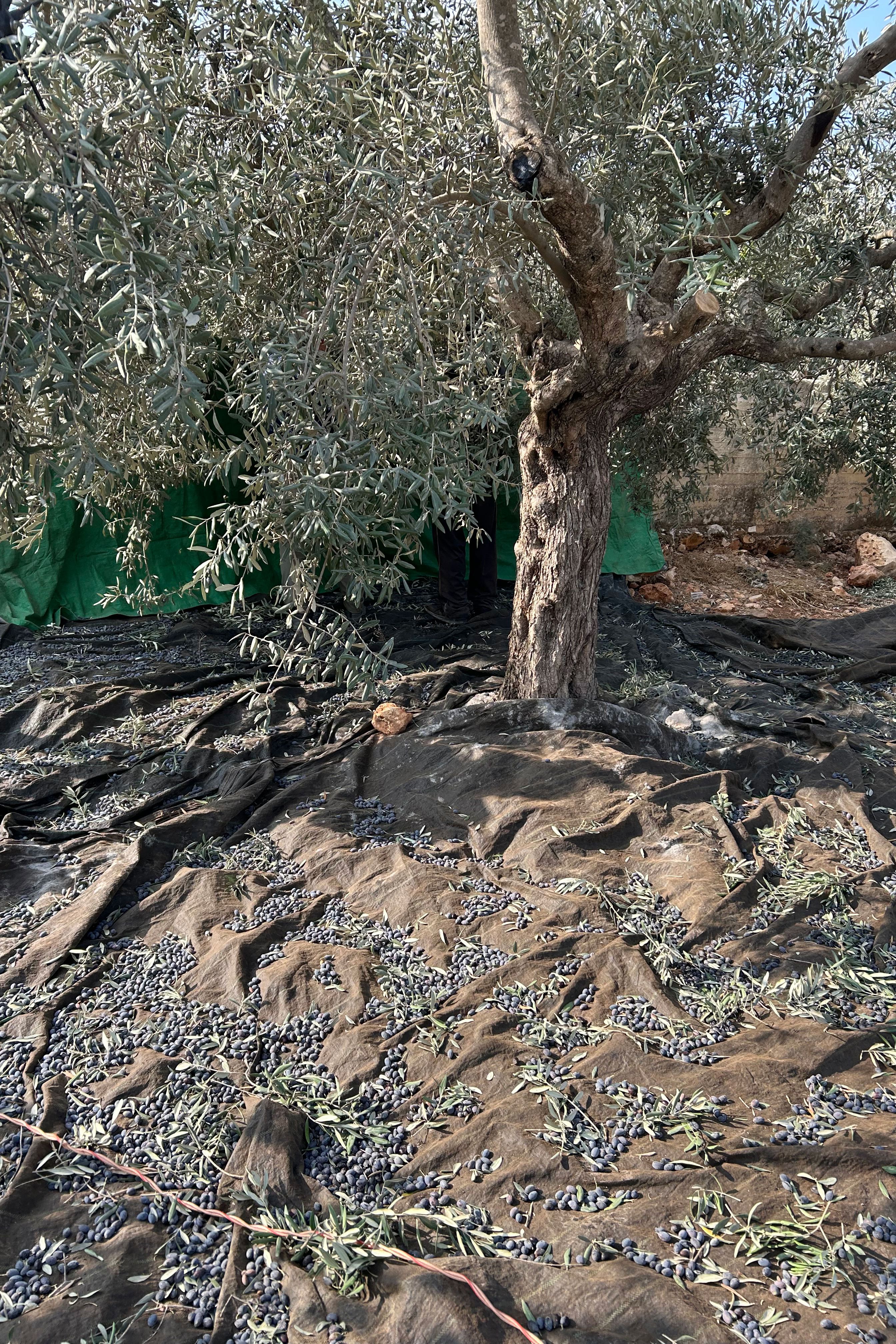
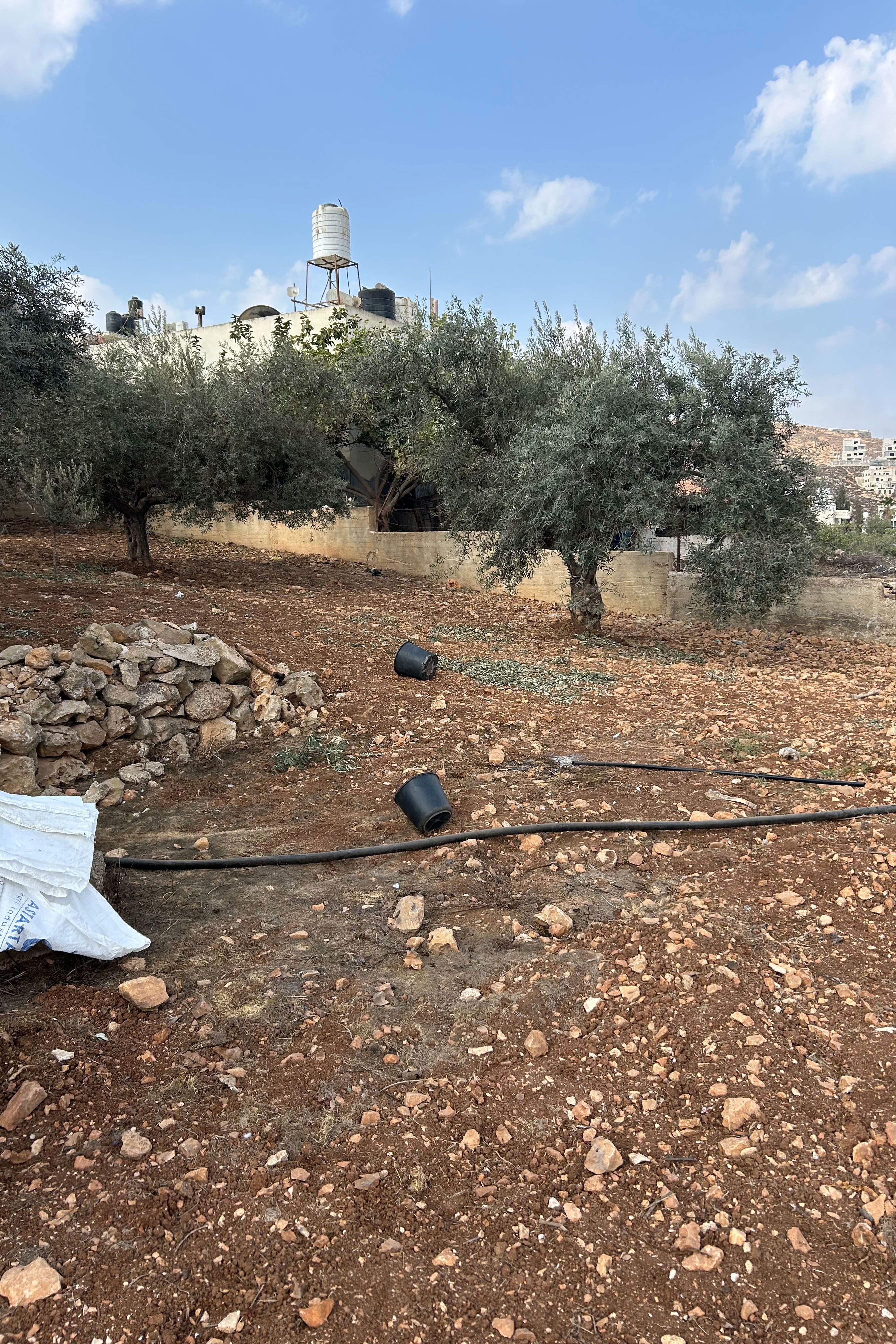
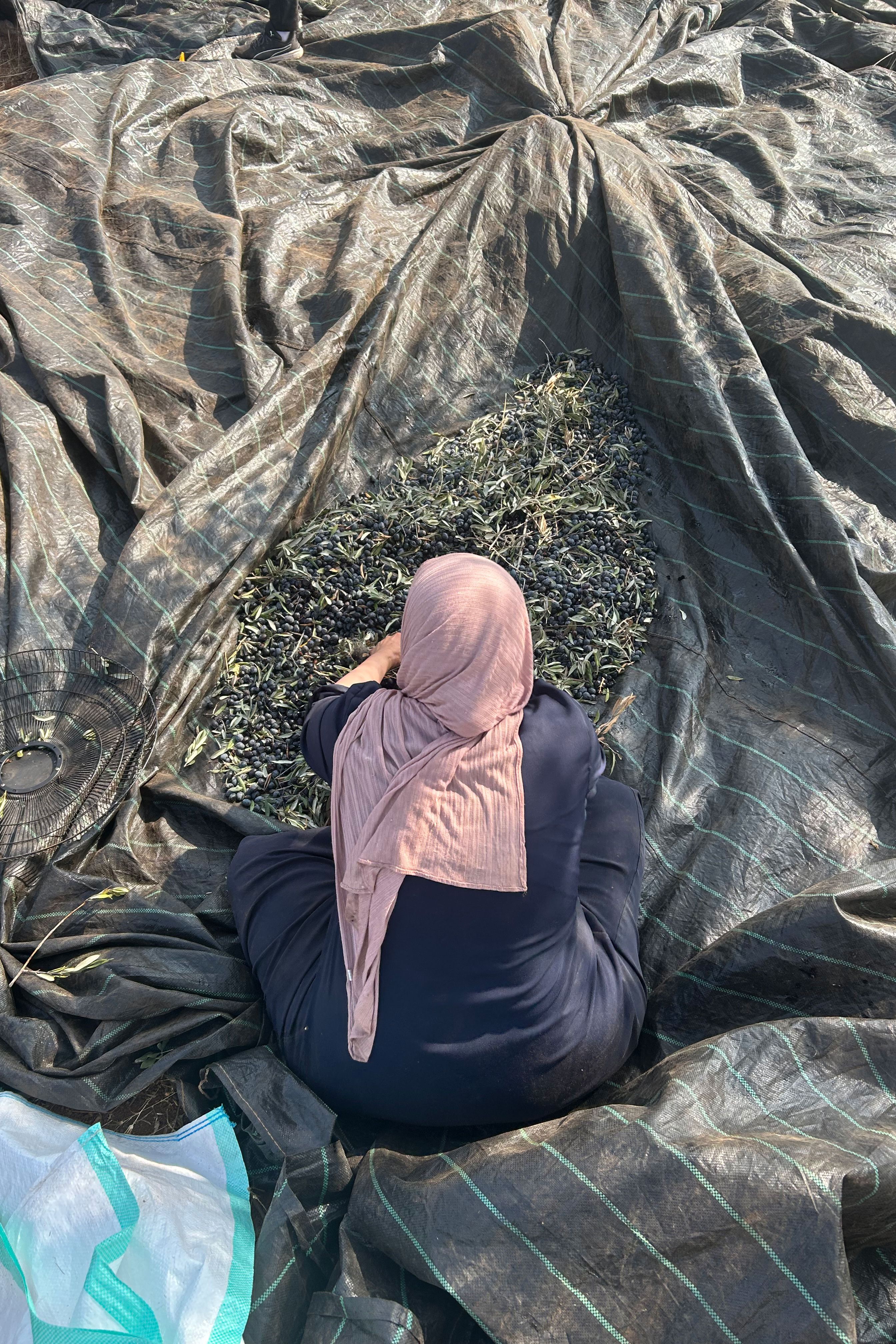
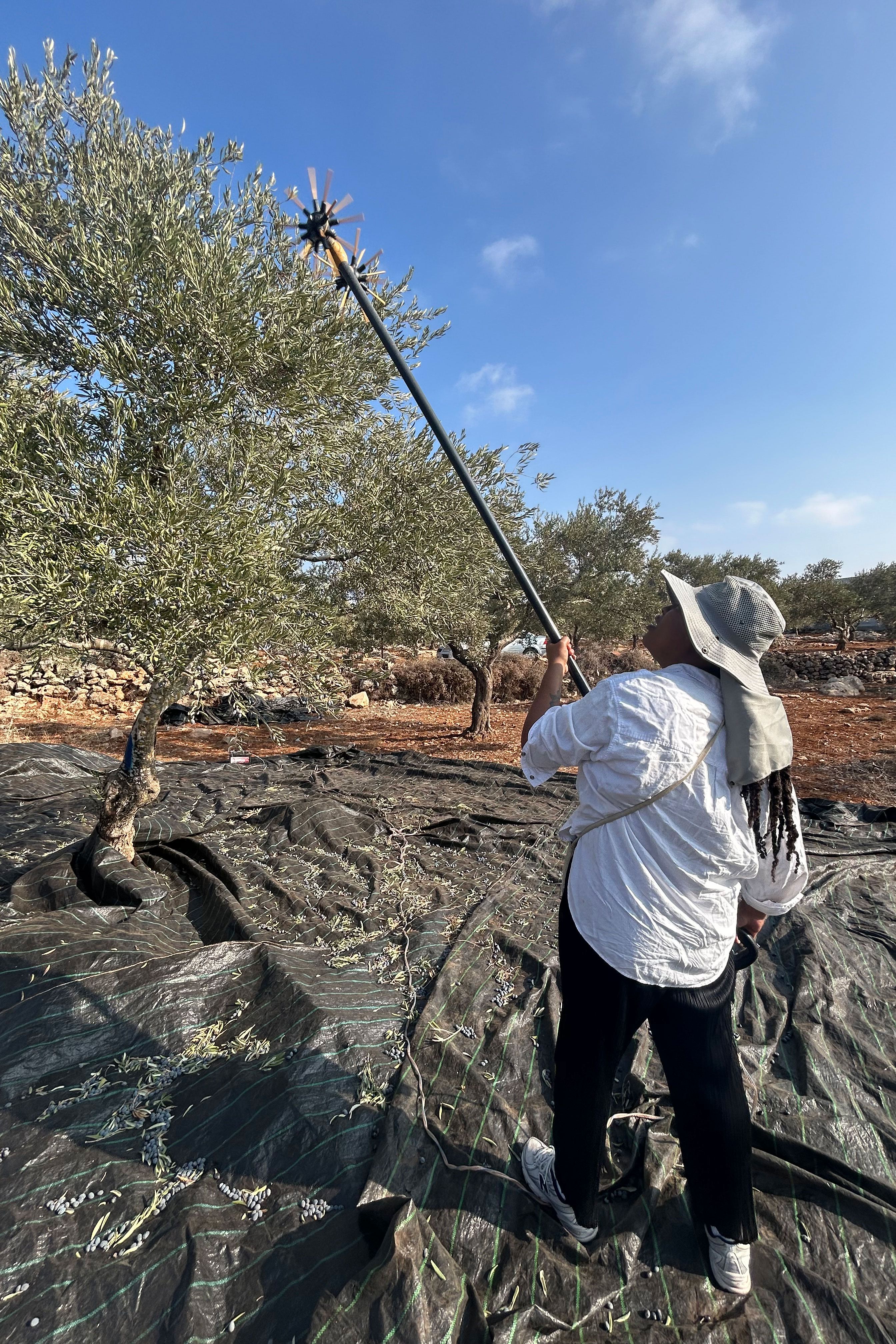
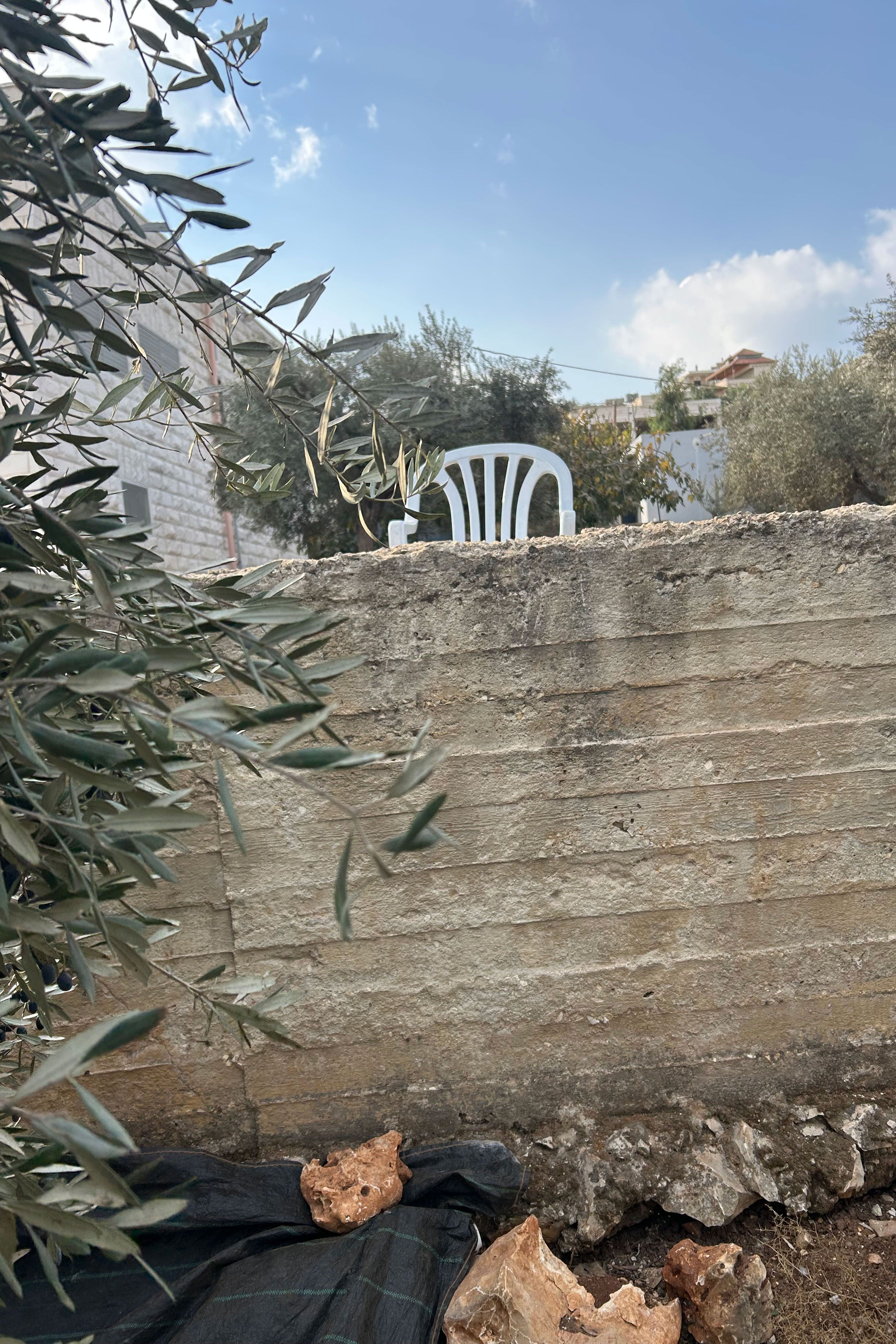
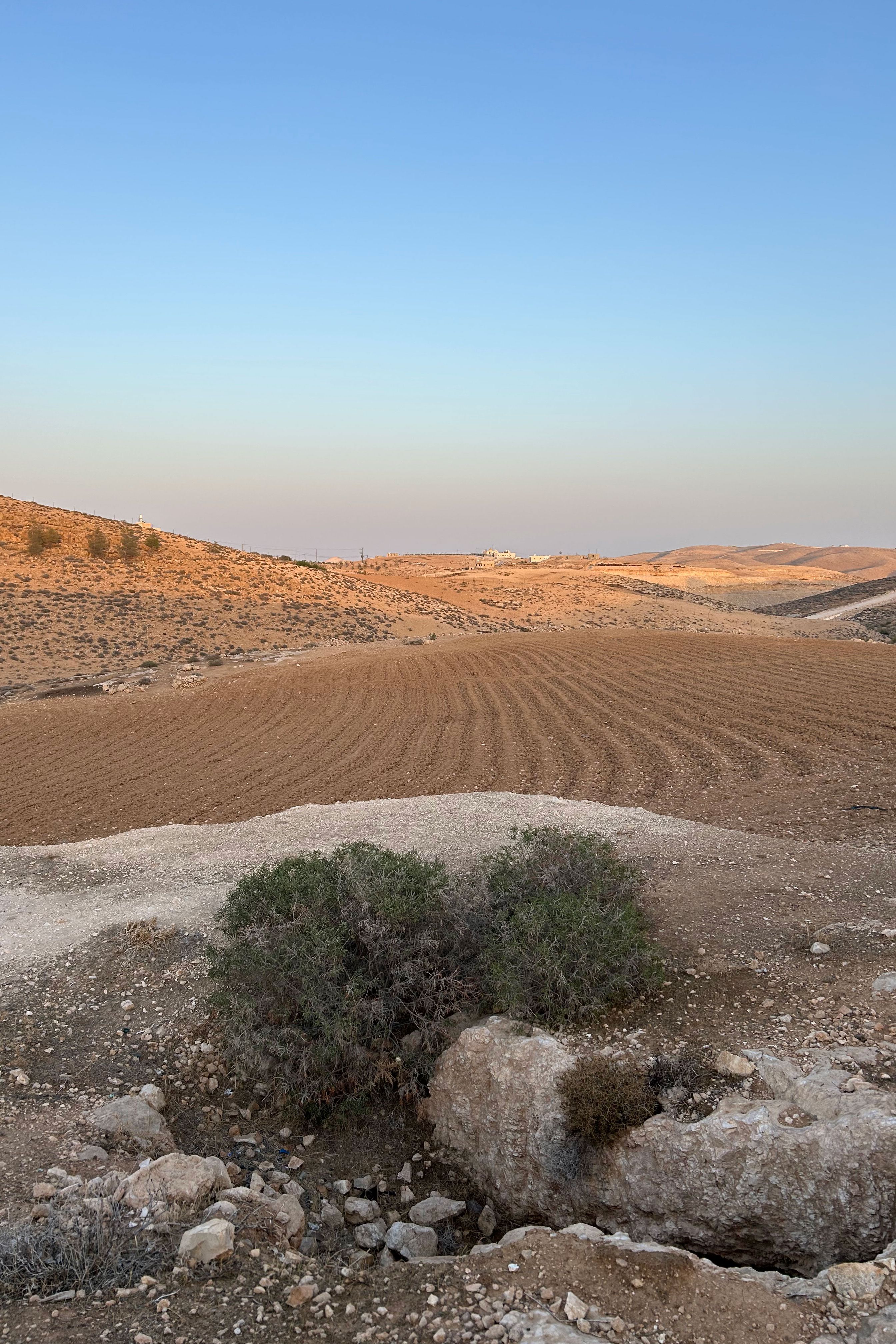
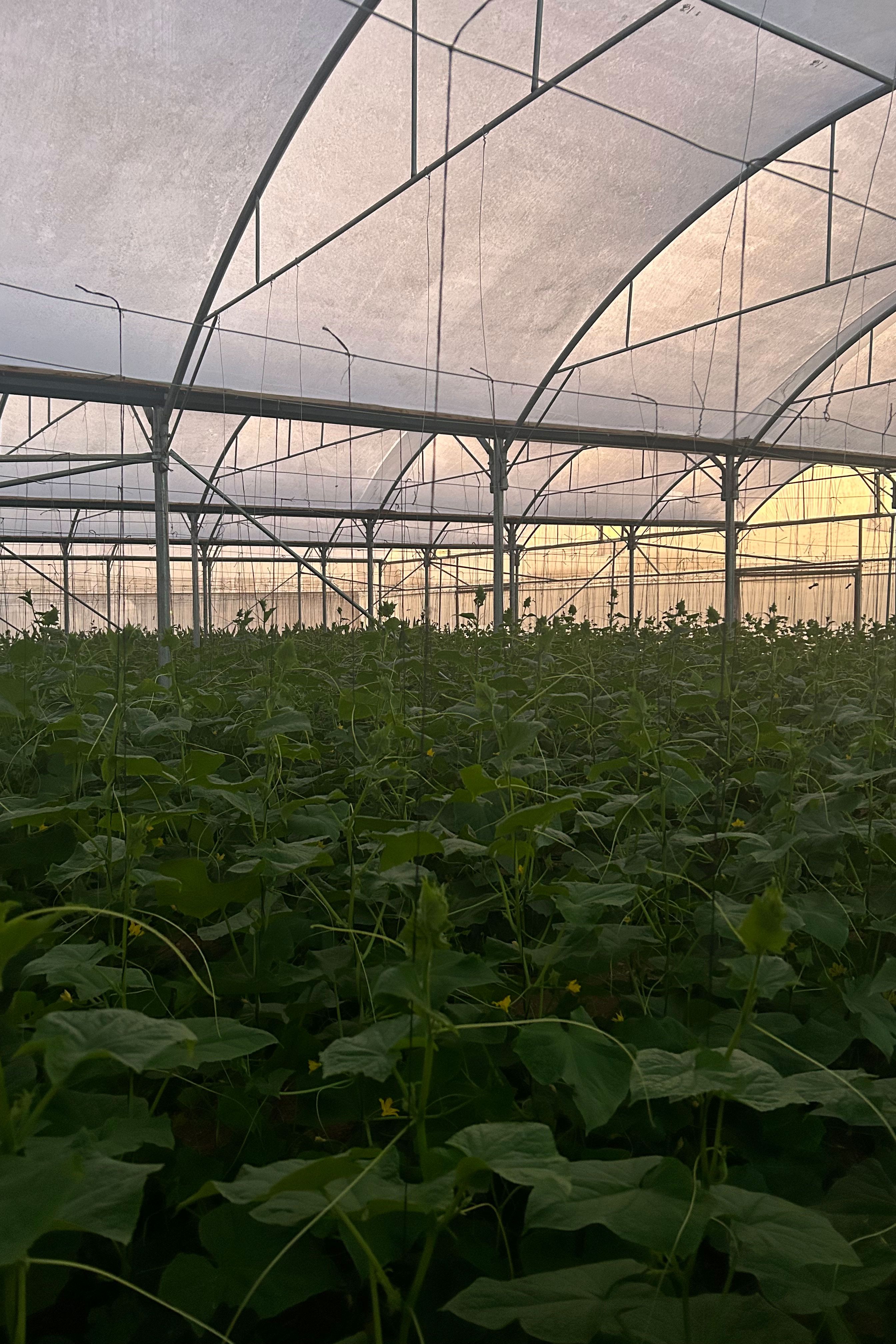
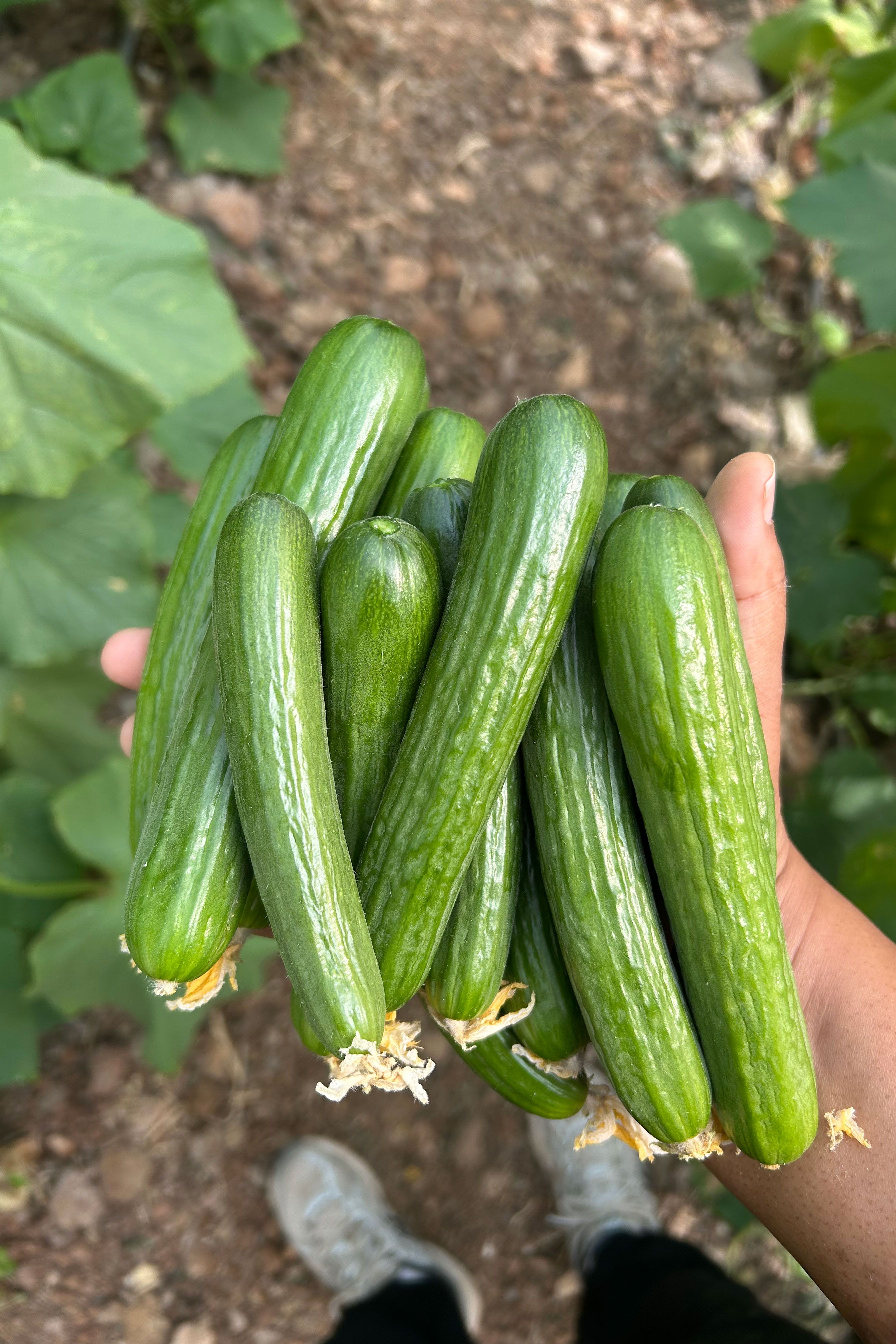
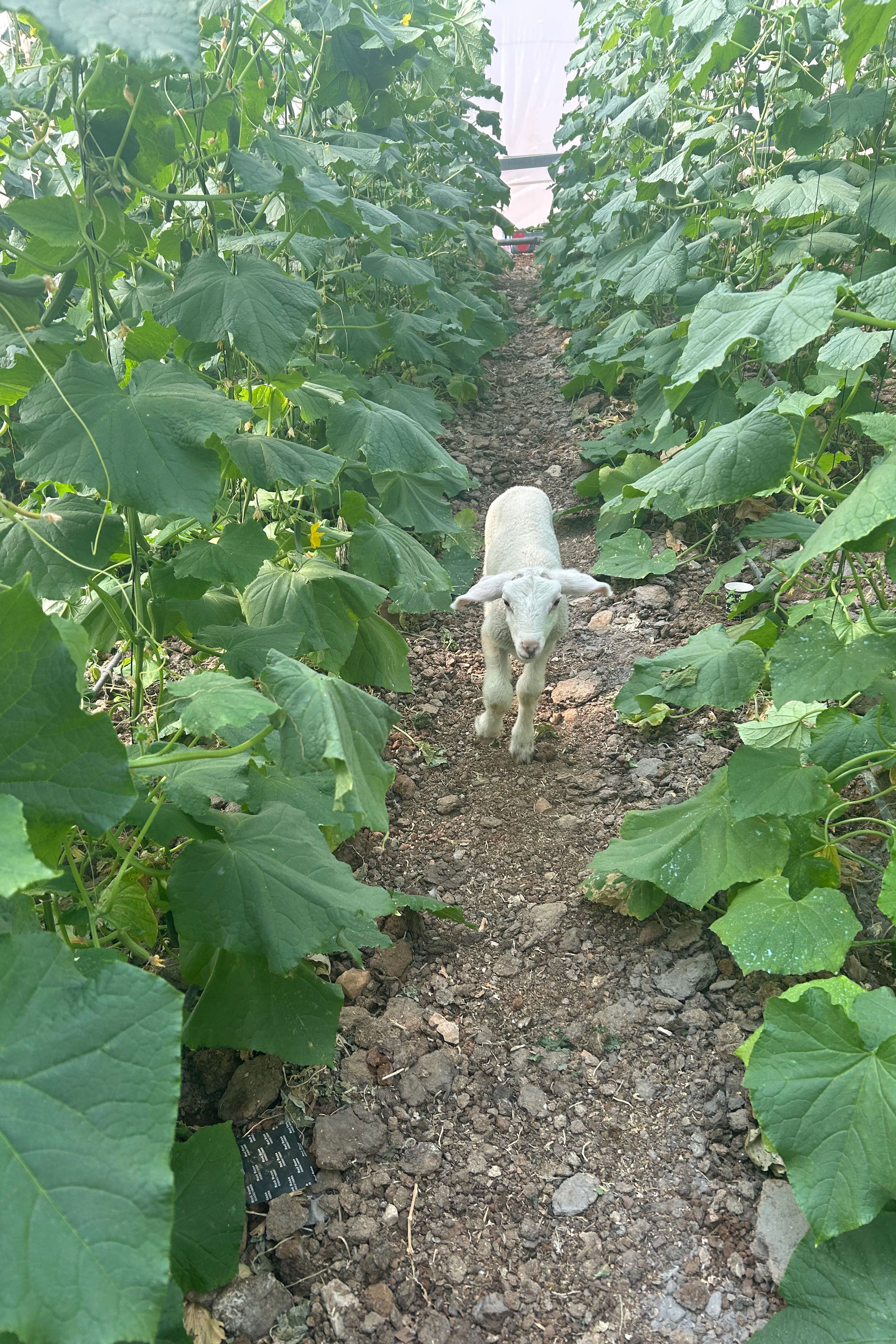
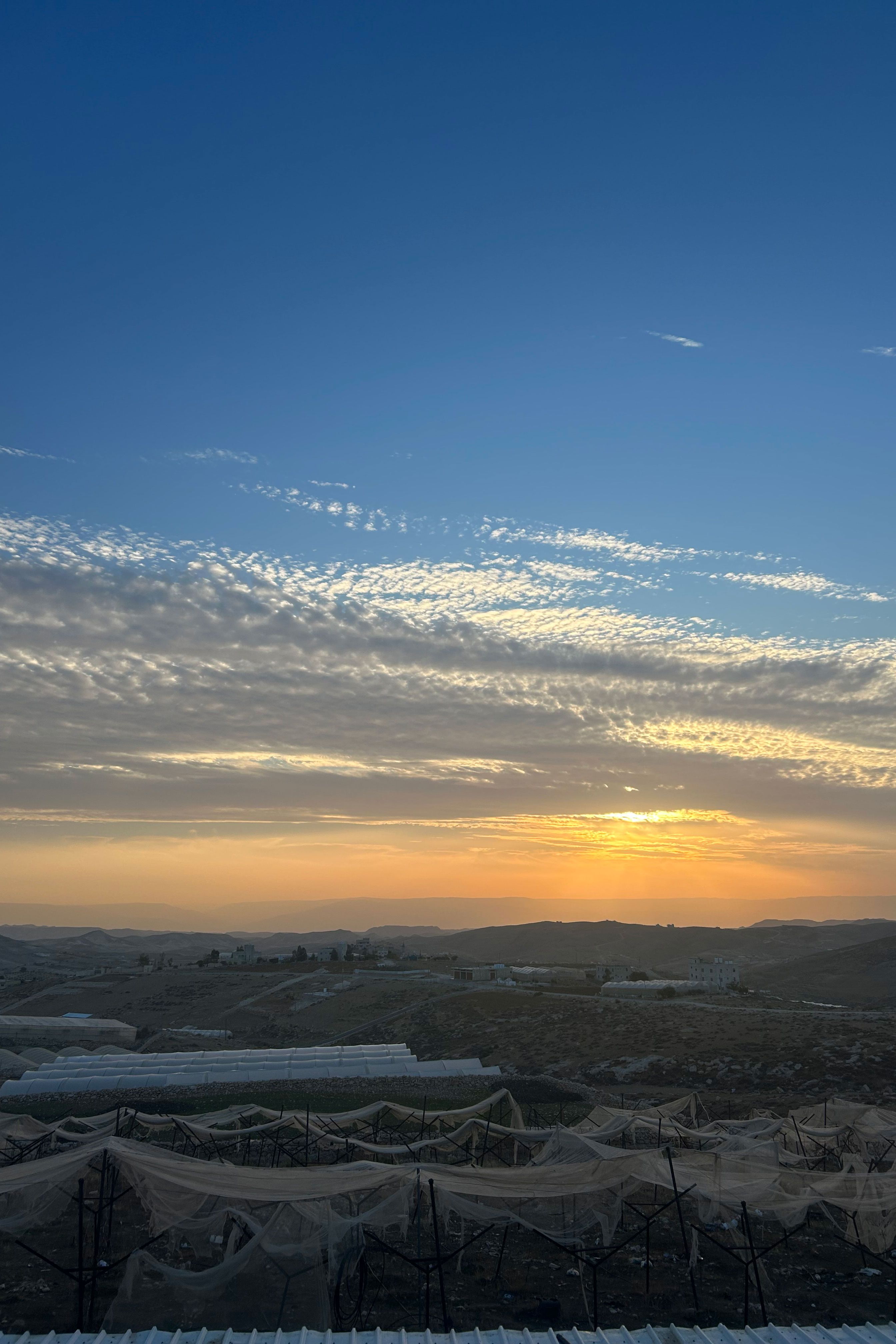
I meet O., a neighbor, who is the guardian of her two disabled adult brothers. Every day for six months, a settler woman has driven onto O.’s property, threatening her brothers, burning beehives, and pointing a gun at her elderly father. As we speak, a car approaches. O. rises, saying, “That’s her.” She exits, followed by a fellow volunteer and myself. The car speeds past. We leave before dusk.
Another night, in the back of a pickup, we’re tailed by a car driven by settlers. I sit in the truck bed with four children: the farmer’s daughter and three cousins. Our truck’s driver cuts its lights to try to lose the other drivers. The car continues to follow us. I decide, reflexively and without panic, that I will die in order to protect the children next to me if I have to. Then the car turns off the road toward a settlement. We continue home in silence.
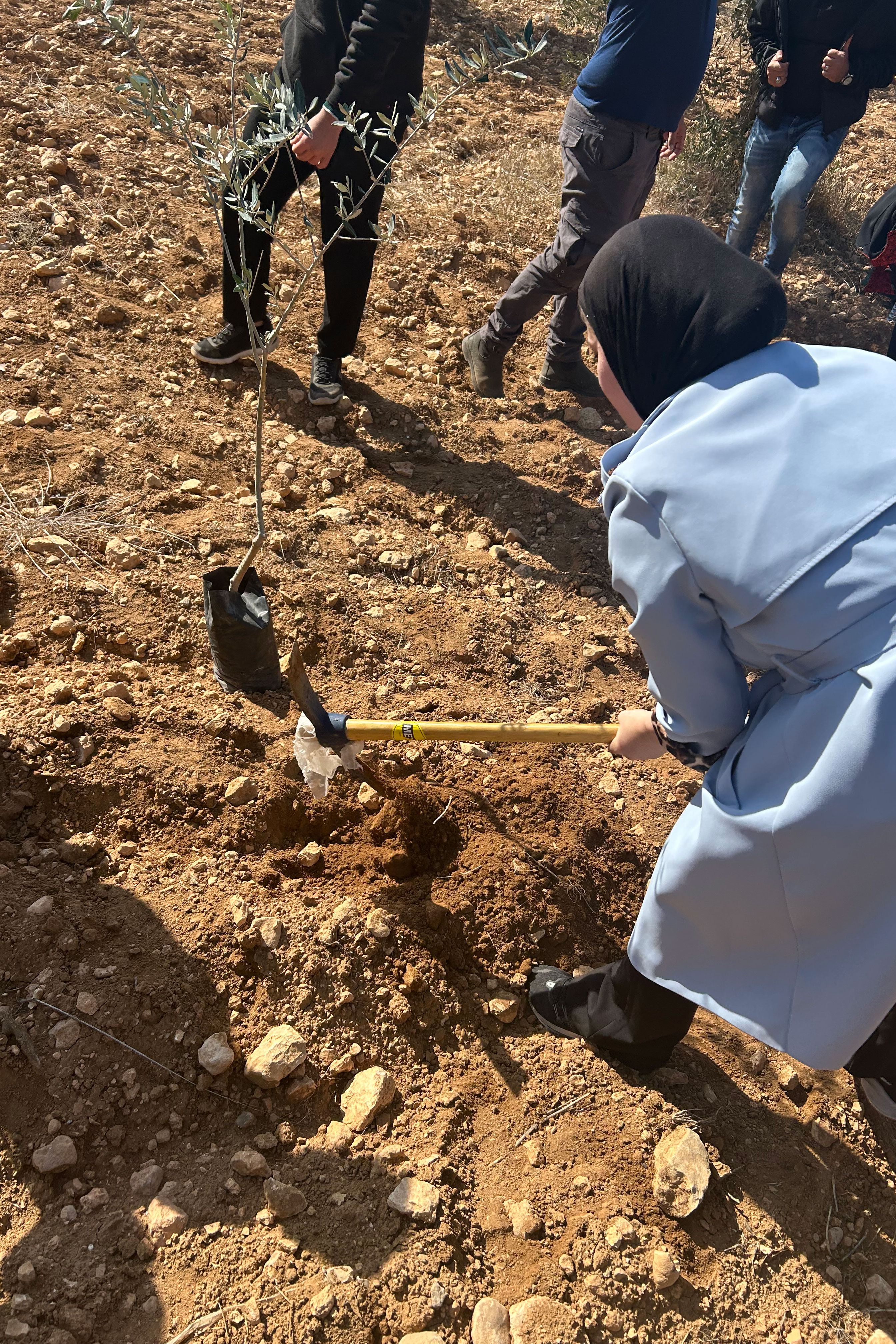
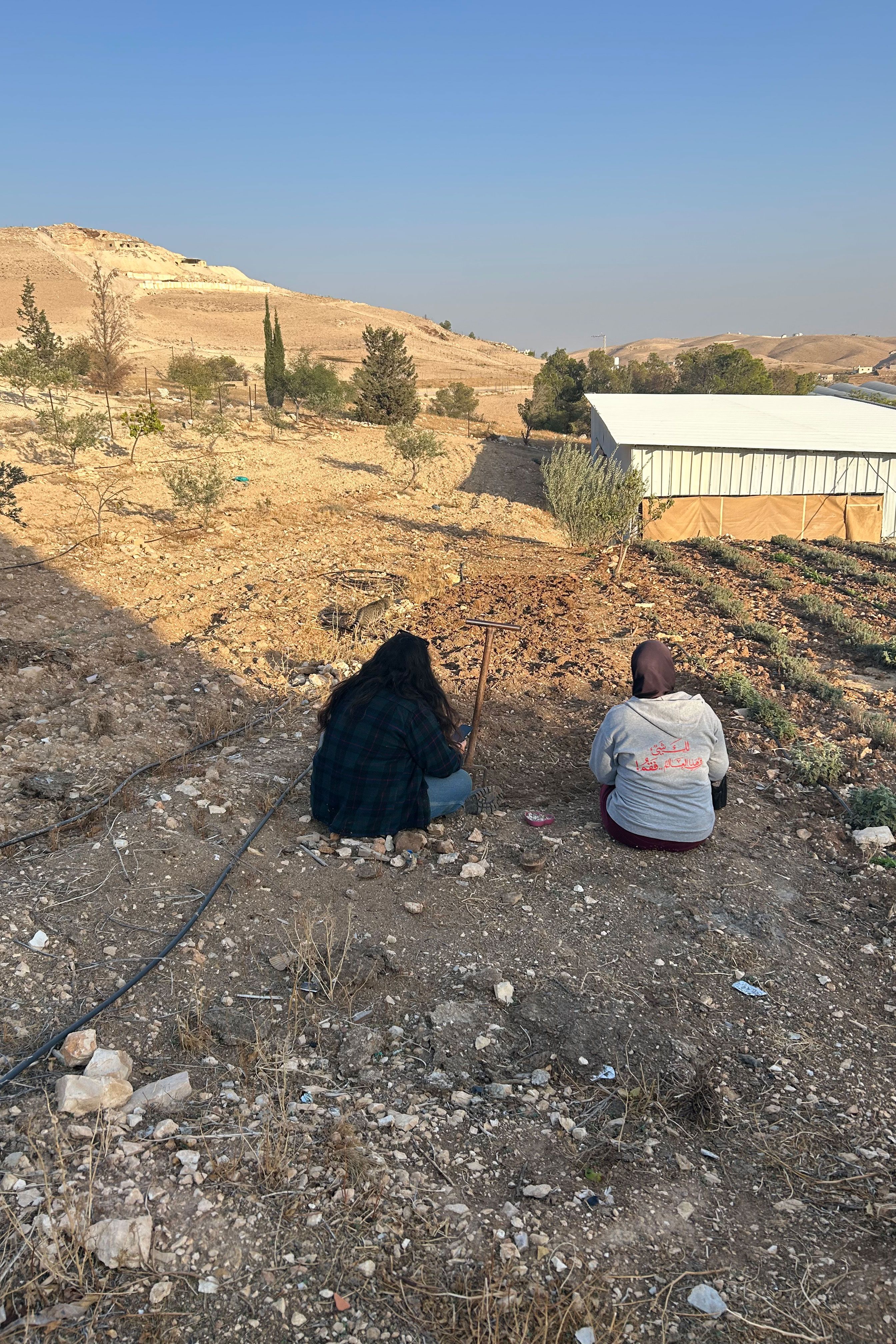
At the farm, we plant olive saplings with a group of 20 girls, all college-age members of a local humanitarian organization also focused on land preservation. They are ebullient and chatty — completely self-assured, wildly curious. I speak with one young woman named Sara. “You can write about me,” she says. “But don’t make it sad!”
Sara is 20 years old. She has a bachelor’s degree in business management and accounting, working the family retail business in her native Hebron. Repeatedly, she professes her love of Drake.
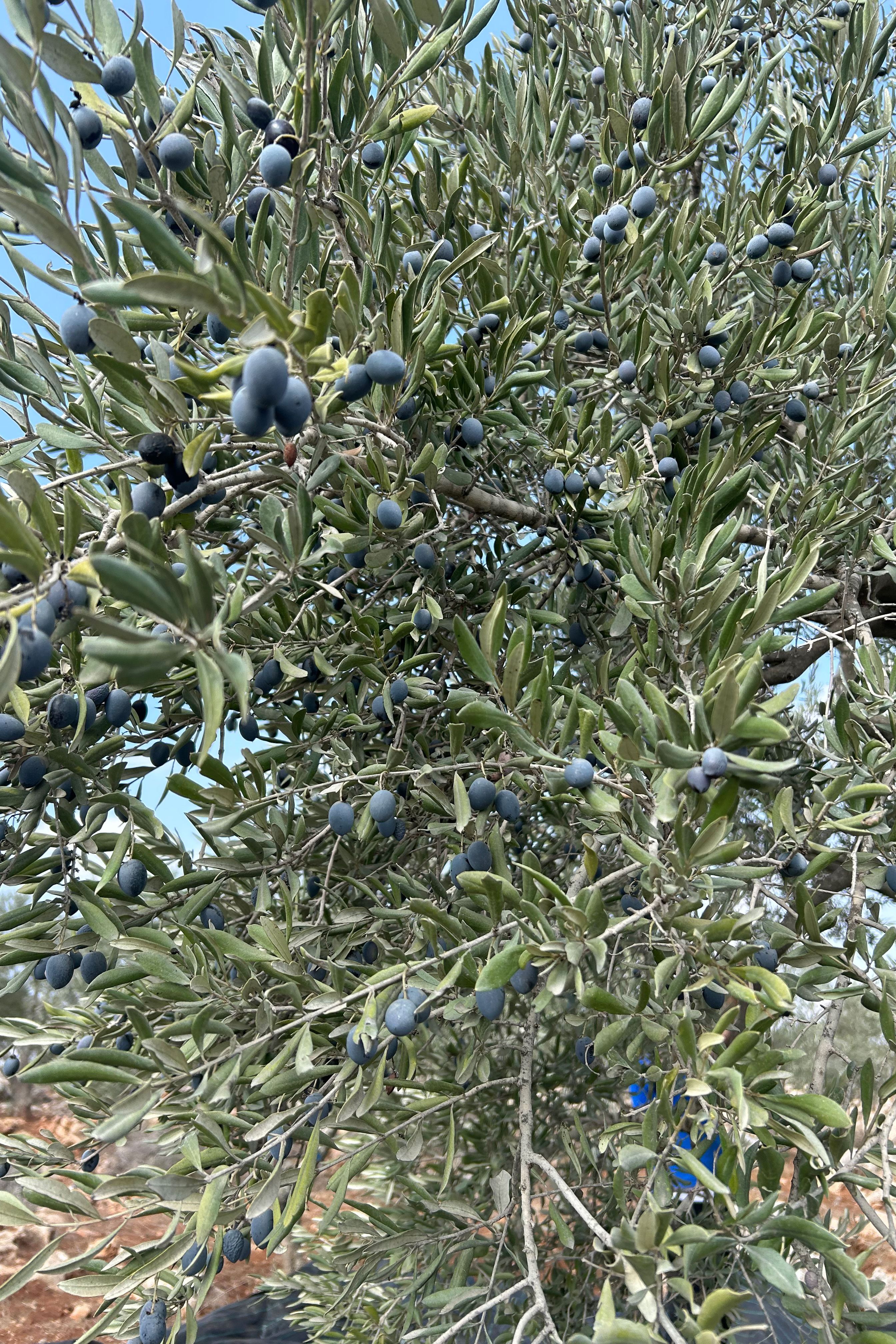
Discussing the olive harvest, Sara emphasizes the centrality of family, camaraderie, and peacefulness that it represents. “The olive harvest season is a time of sumud” — steadfastness — “reverence, and resilience,” she says. “There is a certain magic that arrives. A transformation of the land, the people, and the soul. It is a season of belonging and connection with the earth and community. The trees become alive with anticipation, generously offering their fruit. The olive tree is like a grandmother, for me. The branches feel like shaking hands with history. The olive tree is history.”
I left the West Bank in the last week of November. On December 1, Israeli security officials raided the UAWC’s offices. They detained eight men and handcuffed and blindfolded others in the building, making them kneel or lie on the floor for hours, according to the U.N., which condemned the raid as another instance of Israel’s continuing illegal crackdown on Palestinian civic life and liberties. The organization is still running.
On my final day with the UAWC, our host farmer, alongside us, had been able to access his fields without settler confrontations for the first time that growing season. We sowed wheat. Sharp tools can be difficult to transport through checkpoints, so the wheat will be hand-scythed upon maturation, if it matures. As the farmer reminded us, nothing is certain: “Inshallah, it will rain soon. Inshallah, the wheat will grow. Inshallah, the settlers stay away.”
I meet O., a neighbor, who is the guardian of her two disabled adult brothers. Every day for six months, a settler woman has driven onto O.’s property, threatening her brothers, burning beehives, and pointing a gun at her elderly father. As we speak, a car approaches. O. rises, saying, “That’s her.” She exits, followed by a fellow volunteer and myself. The car speeds past. We leave before dusk.
Another night, in the back of a pickup, we’re tailed by a car driven by settlers. I sit in the truck bed with four children: the farmer’s daughter and three cousins. Our truck’s driver cuts its lights to try to lose the other drivers. The car continues to follow us. I decide, reflexively and without panic, that I will die in order to protect the children next to me if I have to. Then the car turns off the road toward a settlement. We continue home in silence.
At the farm, we plant olive saplings with a group of 20 girls, all college-age members of a local humanitarian organization also focused on land preservation. They are ebullient and chatty — completely self-assured, wildly curious. I speak with one young woman named Sara. “You can write about me,” she says. “But don’t make it sad!”
Sara is 20 years old. She has a bachelor’s degree in business management and accounting, working the family retail business in her native Hebron. Repeatedly, she professes her love of Drake.
Discussing the olive harvest, Sara emphasizes the centrality of family, camaraderie, and peacefulness that it represents. “The olive harvest season is a time of sumud” — steadfastness — “reverence, and resilience,” she says. “There is a certain magic that arrives. A transformation of the land, the people, and the soul. It is a season of belonging and connection with the earth and community. The trees become alive with anticipation, generously offering their fruit. The olive tree is like a grandmother, for me. The branches feel like shaking hands with history. The olive tree is history.”
I left the West Bank in the last week of November. On December 1, Israeli security officials raided the UAWC’s offices. They detained eight men and handcuffed and blindfolded others in the building, making them kneel or lie on the floor for hours, according to the U.N., which condemned the raid as another instance of Israel’s continuing illegal crackdown on Palestinian civic life and liberties. The organization is still running.
On my final day with the UAWC, our host farmer, alongside us, had been able to access his fields without settler confrontations for the first time that growing season. We sowed wheat. Sharp tools can be difficult to transport through checkpoints, so the wheat will be hand-scythed upon maturation, if it matures. As the farmer reminded us, nothing is certain: “Inshallah, it will rain soon. Inshallah, the wheat will grow. Inshallah, the settlers stay away.”